



27 Aug How to Prepare Your Dog for Daycare or Boarding (And Ease Anxiety)
Leaving your dog at daycare or boarding for the first time can feel stressful, especially if you’re worried about your pup getting anxious. At Playtime Pet Resort, we’ve helped thousands of dogs transition into daycare and boarding, and one of the most common concerns we hear from pet parents is whether their dog will adjust well.
While separation anxiety affects some dogs, many simply need time to get comfortable in a new environment. With the right preparation, a gradual introduction, and a trusted care team, most dogs settle into their routine much faster than owners expect.
What Is Dog Separation Anxiety — and Is It What Your Dog Has?
Separation anxiety in dogs is a behavioral condition where a dog becomes distressed when separated from their primary caregiver. It’s different from a dog simply being nervous in a new place or adjusting to a new routine.
Some dogs experience isolation distress, meaning they’re uncomfortable being alone but relax when people or other dogs are nearby. These dogs often do well in daycare because they receive attention, supervision, and social interaction throughout the day.
If you’re unsure which best describes your dog, a professional temperament evaluation can help determine the safest and most comfortable environment before their first stay.
Common Signs of Separation Anxiety in Dogs
Watch for these behaviors when your dog is left alone:
- Excessive barking or howling
- Destructive chewing or scratching
- Pacing or restlessness
- Refusing food when you’re away
- Indoor accidents despite being house-trained
- Attempts to escape
Puppy Separation Anxiety vs. Adult Dog Anxiety
Puppies may show temporary distress during early separations. With positive experiences and gradual exposure to new environments, many grow out of this adjustment phase.
Adult dogs can also develop anxiety, especially if they’ve had limited socialization, changes in routine, or negative past experiences. Introducing daycare gradually and maintaining a consistent routine can help adult dogs build confidence and adjust more comfortably.
Signs Your Dog Is Anxious at Daycare or Boarding
Knowing the signs of anxiety in dogs can help you understand how your dog is adjusting. While some nervousness is normal, keep an eye out for ongoing stress signals.
| At Drop-Off | Throughout the Day |
|---|---|
| Whining or barking | Whale eyes |
| Hiding or cowering | Lip licking or excessive yawning |
| Hesitating to enter | Tail tucked while moving |
| Pulling toward the exit | Difficulty settling or pacing |
A dog that cries at drop-off isn’t necessarily anxious all day. Many settle within 10–15 minutes once they begin interacting with staff and other dogs. Likewise, a calm arrival doesn’t always mean a stress-free stay, which is why ongoing observation after drop-off is so important.
How to Help a Dog With Separation Anxiety Before Their First Stay
If your pup struggles with separation anxiety, that doesn’t mean they can’t go to daycare or boarding. Preparing your dog a few weeks before their visit can help keep them calm and confident during their stay.
Step 1: Build Positive Associations With Short Separations
Begin leaving your dog for short periods while they enjoy a favorite treat or toy. Gradually increase the length of time so they learn that you always return.
Step 2: Schedule a Meet-and-Greet or Trial Day Before the Full Stay
A short daycare visit before an overnight stay allows your dog to become familiar with the environment, caregivers, and daily routine. It also allows staff to observe your dog’s behavior and recommend the best experience for future visits.
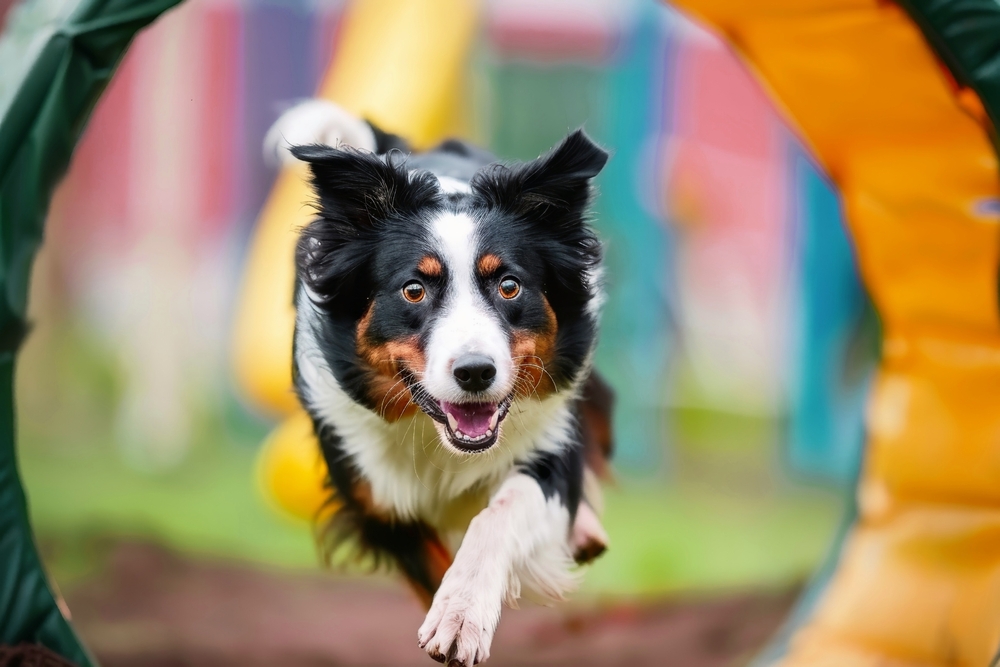
Many dogs become more confident after participating in structured activities and enrichment at daycare before an extended stay.
Step 3: Practice Your Drop-Off Routine at Home
Dogs often mirror their owner’s emotions. Instead of a long goodbye, use the same short, confident routine every time you leave. Consistency helps your dog understand that departures are temporary and routine.
Your Dog Boarding Checklist — What to Pack and What to Tell the Staff
Packing thoughtfully can help your dog feel more comfortable during their stay. While it’s tempting to bring everything from home, keeping it simple helps staff provide the best care and reduces unnecessary stress.
What to Pack for Dog Boarding
Be sure to bring:
- Enough of your dog’s regular food for the entire stay, plus one extra day’s worth
- Medications in their original containers with written instructions
- One comfort item, such as a blanket or unwashed T-shirt that smells like home
- A properly fitted collar with current ID tags
Avoid bringing rawhides, bones, high-value chews, multiple toys, or irreplaceable items.
What to Tell the Staff at Drop-Off
Before you leave, make sure the care team knows:
- Your dog’s dietary restrictions
- Any medications and medical conditions
- Known anxiety triggers or fears
- Commands or hand signals your dog understands
- Emergency contacts and your veterinarian’s information
- Previous daycare or boarding experience, if any
Providing this information allows staff to personalize your dog’s care and respond quickly if they notice any changes in behavior.
Common Mistakes That Make Dog Anxiety Worse at Boarding
Even well-meaning owners can accidentally make a dog’s first boarding experience more stressful. Avoid these common mistakes:
- Skipping a trial visit: Giving your dog time to explore the facility before an overnight stay builds familiarity and confidence.
- Making drop-off emotional: Long goodbyes can increase your dog’s anxiety. A calm, confident departure helps reassure them that everything is okay.
- Not sharing behavioral concerns: If your dog has shown signs of anxiety before, let the staff know. Open communication allows them to adjust your dog’s care plan as needed.
- Skipping the temperament evaluation: Every dog responds differently to new environments. A temperament evaluation helps ensure your dog is placed in the setting that’s safest and most comfortable for their personality.
Frequently Asked Questions
How long does it take for a dog to adjust to boarding?
Most dogs begin settling in within the first several hours as they become familiar with their surroundings. Dogs that attend daycare or boarding regularly often become even more comfortable with each visit.
Should I leave something that smells like me with my dog?
Yes. One familiar item, like an unwashed T-shirt or blanket, can provide comfort during your dog’s stay. Avoid bringing multiple personal items that may become misplaced.
At what age can a puppy start daycare?
Most facilities require puppies to have completed their initial vaccinations before joining group daycare. Ask both your veterinarian and your daycare provider when your puppy is ready for safe socialization.
What should I do if my dog comes home acting differently?
It’s normal for some dogs to sleep more or be extra affectionate after boarding. If changes in appetite, behavior, or bathroom habits last longer than 48 hours, contact your veterinarian.
Can dogs with separation anxiety still go to daycare or boarding?
Often, yes. Every dog is different, and many anxious dogs thrive once they establish a routine with familiar caregivers and structured daily activities. A temperament evaluation and gradual introduction can help determine the best approach for your pup.
Sorry, the comment form is closed at this time.