



Dog Training

Dog Behavior, Dog Training / 16.03.2026

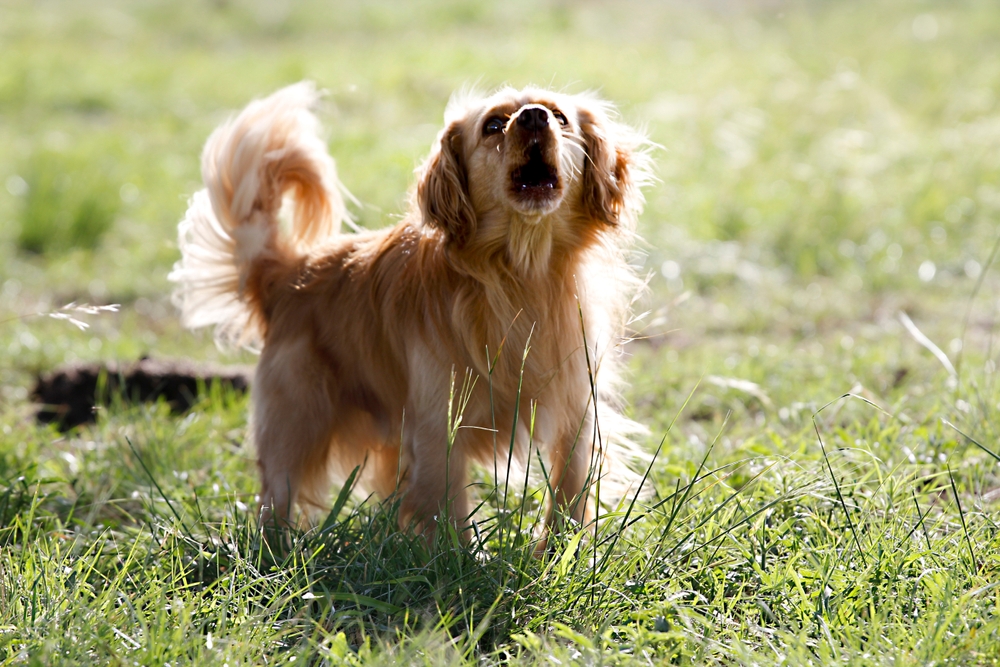
Barking is one of the most natural ways your dog communicates. While some barking is normal, if your dog’s barking seems constant or disruptive, it’s important to identify the root cause and take positive steps to help calm them down. At Playtime Pet Resort, we want to help pet parents read their pup’s cues and reinforce positive behaviors. We’ll explore why your dog may bark so much and share effective, reward-based solutions to help reduce the noise and build a stronger bond with your pet. Understanding Why Dogs Bark Excessively Why do dogs bark? Your pup can bark for many reasons, from getting your attention to signaling fear or anxiety. It’s important to understand why your dog is barking excessively before you can address the issue.  Below are some of the most common triggers for excessive barking: Attention-Seeking or Demand Barking Dogs can quickly learn that barking gets them what they want, whether it’s attention, food, or playtime. If your dog barks when they want something, they may be trained (consciously or unconsciously) to do so more often. Boredom and Lack of Stimulation A lack of exercise or mental stimulation can lead to frustration, especially in high-energy breeds. Dogs that aren’t getting enough physical or mental stimulation may bark to express their boredom. Fear, Anxiety, or Territorial Responses Dogs may bark when they’re frightened, anxious, or feeling territorial. This can include barking at strangers, loud noises, visitors, or when they’re left alone. Fearful or anxious dogs may also exhibit other signs such as pacing, drooling, or shaking. Excitement or Alert Barking Dogs often bark out of excitement or to alert you to perceived threats. This can happen if they hear the doorbell, see a squirrel, or get excited about playtime. Their senses are also stronger than ours, so it may look like they’re barking at nothing.  Medical or Pain-Related Barking Sudden increases in barking, especially if it’s accompanied by other unusual behaviors, can be a sign that your pup isn’t feeling well. Pain, cognitive decline, or hearing issues can cause your dog to bark excessively. How to Calm Your Dog and Reduce Excessive Barking Once you know why your dog barks so much, you can begin taking steps to address it. Here are some proven, positive methods to help calm your dog down: Rule Out Health Issues First Before jumping into training, visit your vet first to rule out any possible medical issues. Health problems like pain, hearing loss, or cognitive dysfunction can lead to increased barking. Increase Exercise and Mental Stimulation Under-exercised and mentally bored dogs are more likely to bark excessively. Regular physical exercise and mental challenges help burn off energy and keep your dog busy. Try taking longer walks, playing fetch, or providing interactive toys and puzzles. Enrichment activities like scent work can also help alleviate boredom. Teach a “Quiet” Command Using Positive Reinforcement Teaching your dog the "quiet" command can be an effective way to stop barking. Start by allowing your dog to bark a few times, then calmly say “quiet.” When your dog stops barking, reward them with a treat and praise. Repeat this process consistently in short sessions until your dog learns to stop barking on command. Manage the Environment and Triggers If your dog barks in response to external triggers like visitors, other dogs, or outside noises, managing their environment can help. Close blinds or curtains to block views, use white-noise machines to drown out outside sounds, or consider calming products like pheromone diffusers.  If your dog barks at specific people or situations, gradual desensitization can also be helpful. Ignore Attention-Seeking Barking (Extinction Method) If your dog barks for attention, the best way to stop the behavior is by ignoring them. It’s important not to inadvertently reinforce the barking by giving in to their demands. Instead, reward them with attention when they’re quiet. Build Confidence for Anxious or Fearful Dogs For dogs that bark due to anxiety or fear, building their confidence can help. Gradual alone-time training, creating a safe space for your dog, and using calming aids (like pheromone diffusers or calming music) can help them feel more secure. Common Mistakes to Avoid When Stopping Barking While trying to reduce excessive barking, it’s important to avoid common mistakes that could make the problem worse. Don’t Yell or Punish If it seems like your dog is barking at nothing, you may be tempted to raise your voice. Yelling at your dog for barking can increase their anxiety and may even worsen the behavior. Punishments can also damage the bond between you and your pet. Avoid Inconsistency or Mixed Signals It’s important to ensure that everyone in the household is on the same page when it comes to handling barking. Mixed signals or inconsistent responses can confuse your dog and make training more difficult. How Much Barking Is Normal vs. Excessive? Understanding what constitutes "normal" vs. "excessive" barking can help you better understand your dog’s behavior. Here’s a quick comparison of what normal and excessive barking can look like:  Normal Barking Short bursts of barking for greetings, excitement, or brief alerts. 5–20 barks per episode. Responds to cues and calms down quickly. Excessive Barking Barking for long periods, often with no clear trigger. Continuous barking for hours, especially when it interferes with household peace. Barking that doesn’t respond to cues or commands. Self-Check for Excessive Barking Does your dog bark for more than 10 minutes at a time, multiple times a day? Does your dog bark when there’s no clear cause? Is the barking disruptive to your daily life? If you answered yes to any of these, it might be time to take action. When to Seek Professional Help for Excessive Barking If your dog’s barking is unmanageable despite your best efforts, it may be time to seek professional help. A certified dog trainer or behaviorist can assess the situation and help create a plan to address the root cause of the barking. It may be time to ask for help if: The barking is persistent despite your attempts to address it. It’s caused by severe anxiety, aggression, or fear. The barking has multiple triggers that require specialized intervention. Help Your Dog Stay Calm, Active, and Happy Every Day – Reach Out to Playtime Pet Resort Constant barking isn’t always just a nervous tic. It can be your pet telling you something is wrong, or they need something. Understanding your dog’s barking triggers and applying positive, reward-based methods can go a long way in helping your pup calm down.  For dogs with high energy levels, our dog boarding and daycare programs at Playtime Pet Resort offer structured activities, socialization, and consistent reinforcement. We also offer professional training and enrichment services to help build your dog’s confidence and reduce barking. Give us a call today or schedule a visit online to see what our team can do for you and your furry friend. Frequently Asked Questions About Excessive Dog Barking 1) Why does my dog bark so much at nothing? If it feels like your dog is barking at nothing, they may hear or sense things we don’t notice, like a distant noise or someone walking outside. This can be a natural behavior, but it can also indicate anxiety or overstimulation. 2) How can I calm my dog down if they’re barking excessively right now? If your dog is barking right now, try redirecting their focus with a favorite toy or treat, or use the "quiet" command if they’ve been trained. Consistency is key. 3) What are some fast ways to stop my dog from barking? Quick fixes include using calming music or a white noise machine to drown out triggers, or redirecting their attention with interactive toys. However, long-term solutions focus on increasing exercise and addressing the root cause. 4) Is it okay to punish my dog for barking? No, punishments can increase anxiety and worsen the behavior. Instead, focus on reward-based training that encourages quiet behavior. 5) What if my dog barks when left alone? This may indicate separation anxiety. Gradual alone-time training, along with calming aids, can help reduce this behavior....
Dog Training / 23.12.2025

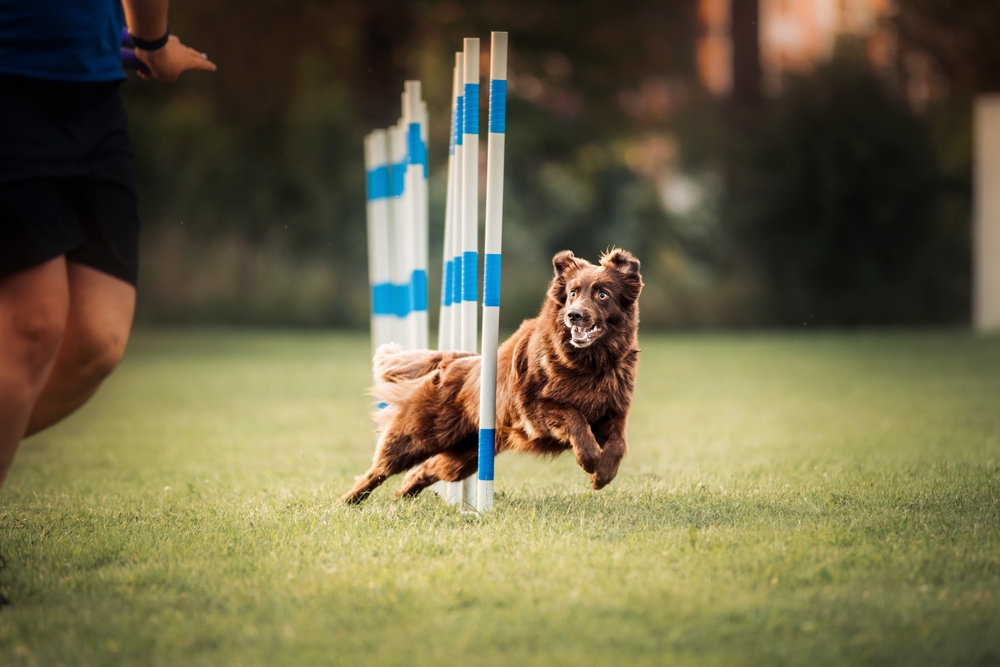
Even new pet parents can teach their pup everyday manners, build positive habits, and lay a strong foundation with the right approach. Still, there are some behaviors, especially those tied to fear, anxiety, or complex obedience, that often need a certified professional for safe and reliable results. At Playtime Pet Resort, our team understands how important it is for families to feel confident about their dog’s learning. This guide breaks down the basic dog training skills owners can comfortably teach on their own, what typically requires expert help, and how you can support your pup’s progress at home. Understanding the Basics of At-Home Dog Training Not sure how to train a dog? Before jumping into different commands or tricks, it helps to understand a few simple concepts that make at-home basic dog training successful. Most of what owners teach at home comes down to timing, consistency, and creating an encouraging learning environment. Short, simple training sessions are usually best. Dogs learn through repetition, positive experiences, and clear communication. What Positive Reinforcement Really Means Positive reinforcement simply rewards the behaviors you want to see more often. Dogs repeat actions that lead to something they love, such as a treat, praise, play, or affection. This method builds trust and keeps learning fun. Using reward-based training helps prevent fear or anxiety around cues. When your dog feels good about working with you, they’re more motivated to listen and try new skills. Establishing a Clear Routine Dogs thrive on predictable routines. Set times for meals, potty breaks, and basic training sessions to help your dog understand what’s expected. This kind of structure reduces confusion and makes learning smoother. Tools Owners Can Use at Home Many families can make progress with simple, accessible tools such as: Treats or reward snacks A clicker A comfortable crate Long leads for safe outdoor practice Your pup’s favorite toy to keep them focused and engaged Training Tasks You Can Successfully Do on Your Own Many foundational skills can be taught at home with patience and repetition. These core behaviors help your dog feel secure and make daily life easier.  Here are some basic skills you can teach your pup on your own: Basic Obedience Commands: Commands such as sit, down, stay, leave it, drop it, and name recognition can be introduced using short sessions and consistent rewards. Crate and House Training: By creating a positive association with the crate and sticking to a routine, your dog learns where to rest and when it’s time to go outside for the bathroom. Loose Leash Skills: Early leash manners, such as rewarding your dog for staying near you, set a foundation for calmer walks as they grow up. Puppy Socialization: Gentle introductions to new surfaces, sounds, people, and safe places help build confidence without overwhelming your puppy. Managing Common Puppy Behaviors: Redirecting chewing, play biting, barking for attention, and jumping can often be handled at home with a structured routine and clear boundaries. Training Tasks That Typically Require a Certified Professional There are some behaviors and training goals that go beyond what most families can safely address on their own. These situations often involve risk, emotional distress, or complex behavior patterns. Advanced Obedience and Off-Leash Reliability: Off-leash work requires carefully controlled environments and precise timing that can be difficult for owners to manage without professional guidance. Reactive Behavior or Leash Aggression: Reactivity can escalate quickly if handled incorrectly, and a specialist can help prevent setbacks. Separation Anxiety: True separation anxiety requires slow, structured steps that can be challenging to follow and adjust without previous experience. Fear-Based Behaviors or Resource Guarding: These behaviors can be dangerous if mismanaged, and a professional can evaluate triggers and create a safe behavior plan. Multi-Dog Household Dynamics: Competition, tension, or disagreements between dogs may need expert insight to prevent harmful conflicts. Why Professional Dog Trainers Help You See Results Faster Some behaviors simply improve more quickly when a certified professional is involved. Their experience allows them to break skills down into manageable steps, catch small mistakes early, and create a plan that fits each dog’s needs.  Professional Trainers Understand Canine Body Language Dog training experts are trained to spot subtle stress signals, hesitation, or early signs of discomfort. Understanding these cues helps prevent behavioral issues and keeps sessions positive for your pup. They Can Customize Training for Your Dog’s Personality Every dog learns differently. Age, breed, past experiences, and temperament all affect how a dog responds. A training specialist can tailor the pace and structure of training sessions to match your dog’s learning style. They Teach Owners How to Reinforce the Training Correctly A big part of long-term success involves teaching owners how to maintain the skills learned during training sessions. A professional guides you through timing, cue consistency, and daily reinforcement. How Owners Can Support Training at Home Even with professional guidance, most progress happens through everyday practice. These simple habits help keep your pup’s training on track: Practice Between Sessions: Short, focused sessions several times a week help reinforce what your dog learns and prevent skill regression. Use the Same Verbal and Hand Cues: Consistent cues across different environments help your dog understand exactly what you’re asking. Set Realistic Expectations: Advanced behaviors take time. Small improvements each week are normal and show that your furry friend is getting the hang of it. Training Mistakes to Avoid Small missteps can stall training or confuse your dog. Avoid these common mistakes to keep sessions positive and clear for your furry friend: 1) Punishments or Harsh Corrections Corrections rooted in fear can damage trust and often make negative behaviors worse. Positive rewards make your pup eager to learn. 2) Inconsistent Rules Dogs rely on consistency. Mixed expectations, such as allowing jumping one day but not the next, can make it harder for them to understand boundaries. 3) Training When the Dog Is Overtired or Overstimulated Learning is easier when your dog is calm, focused, and not overwhelmed. Keep sessions short and find a quiet space. 4) Expecting Results Too Quickly Dogs learn at different speeds. Rushing progress can make you and your pup feel frustrated. Slow, steady practice leads to lasting habits. Why Every Dog Needs Professional Training Basic dog training gives your pup the structure and confidence they need to navigate both home and public environments. It strengthens communication between families and their dogs, helps prevent problem behaviors, and establishes lifelong skills.  Puppies and adult dogs benefit equally from guided learning, especially during major life transitions or new experiences. When your pup feels confident, you see more positive behaviors. When to Consider Enrolling Your Dog in a Training Program Some stages of life naturally benefit from extra support. These situations often make professional guidance especially valuable: Puppies in Their Critical Socialization Period: Early exposure builds confidence, reduces fears as an adult, and supports stable behaviors. Adult Dogs With Established Habits: Older dogs can learn new skills, but they often need structure and consistency to replace long-standing behaviors. Busy Owners Who Need Professional Structure: A predictable program helps families balance work, schedules, and daily demands while still giving their dogs the support they need. Choosing the Right Professional Trainer If you decide to seek outside help, finding the right trainer makes all the difference. The goal is to choose someone who uses safe, modern methods and can communicate clearly with both you and your dog. When searching for a professional to help with basic dog training, look for: Certifications and Training Methods Look for professionals who use positive reinforcement and science-backed approaches. Certifications such as CPDT or Fear-Free–based programs show that a specialist follows industry best standards. Training Environments and Class Structure Different programs work for different dogs. Your options may include private lessons, group classes, day training, or board-and-train programs. A good professional explains how each format works and helps you choose the one that fits your dog best. Red Flags to Avoid Avoid anyone who uses outdated methods, encourages harsh corrections, or refuses to explain their approach. A lack of transparency around training methods or pricing is also a sign to look elsewhere. Why Dog Owners Choose Playtime Pet Resort for Professional Training With so many dog training 101 programs available, it can be tough to know which will work for your pet. At Playtime Pet Resort, we’re known for offering a calm, positive environment where dogs can learn safely. Our staff focuses on gentle handling, consistent communication, and enrichment that supports confidence-building.  We also understand that every dog learns differently, so our team adjusts the pace based on your pup’s comfort and progress. Whether your dog needs support with social skills, foundational obedience, or confidence in new environments, our approach is designed to help them feel secure while learning. Call Now to Enroll Your Dog in Professional Training If you’re thinking about booking a basic dog training class for your pup, our team is always here to help. We’re happy to answer any questions, explain our program options, and guide you through what to expect.  You can connect with our team anytime to learn more. If you’re also exploring additional services, such as overnight boarding or daycare, we’ll work with you to incorporate training into your pup’s stay....
Contact Us Learn how our brand new facility is perfect for your pup!